About Kantipur College of Management and Information Technology
Kantipur College of Management and Information Technology (KCMIT), a distinguished institution centrally located in Kathmandu, Nepal, was established in 2000 and is affiliated with Tribhuvan University. As a pioneer in offering the BIM program in Nepal, KCMIT is committed to providing affordable and quality education in Management and IT, ensuring students are well-prepared for the global job market. Founded by experienced educationists and IT professionals, the college emphasizes a student-centric approach, blending practical knowledge with academic learning. Students benefit from advanced computer labs, an extensive library, and vibrant student clubs, which enhance their educational and career opportunities. KCMIT’s comprehensive BIM, BBA, and BCA programs are designed to develop skilled professionals and future leaders, ready to meet professional challenges. Embark on a journey of academic excellence and career success with KCMIT and explore the diverse opportunities it offers.
Campus Gallery
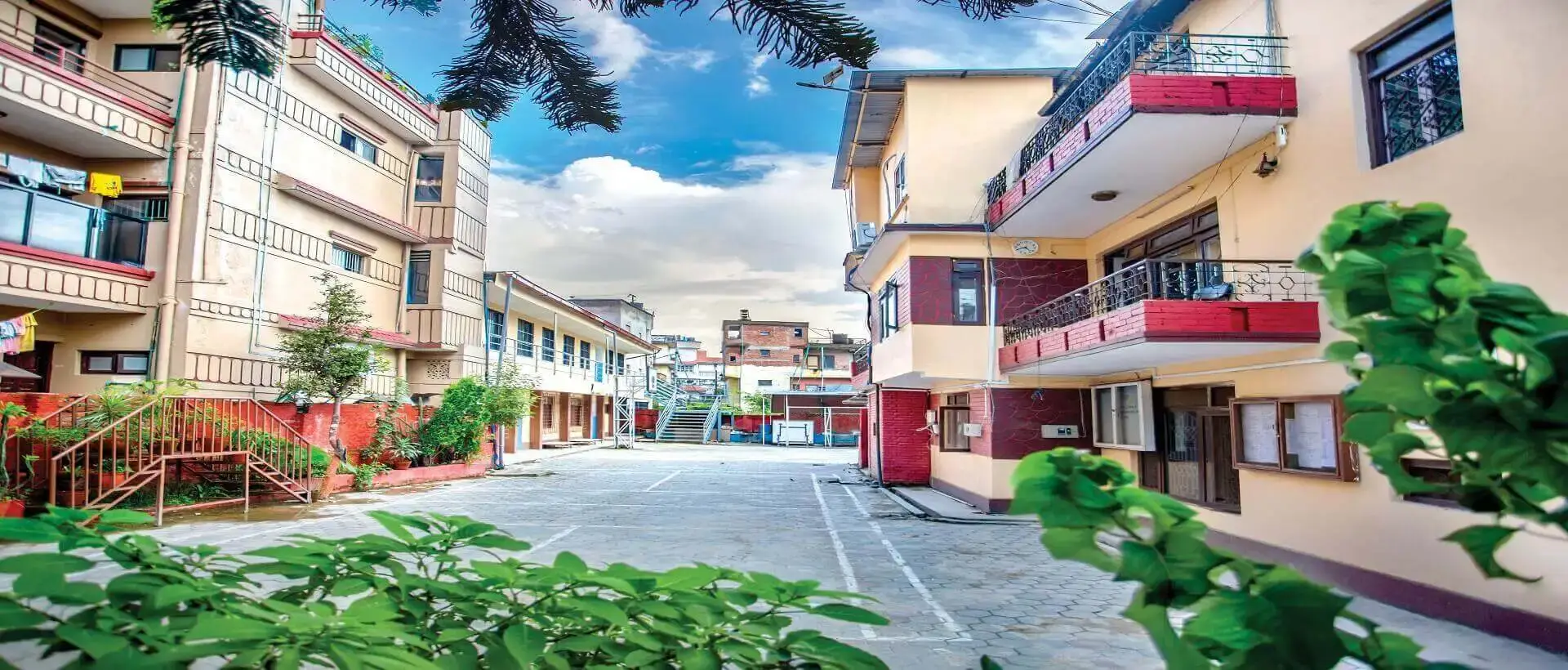
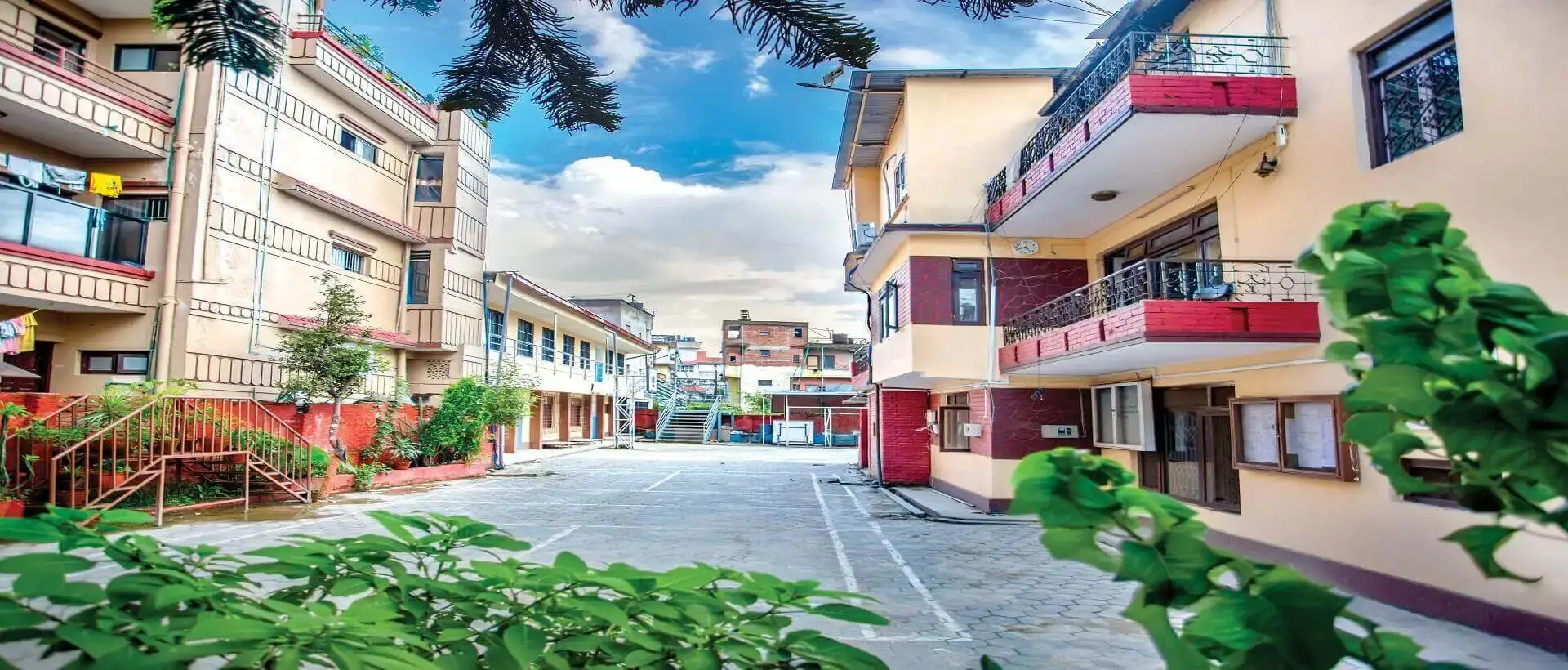
1 / 1
Message from Leadership
Why Choose KCMIT?
Kantipur College of Management and Information Technology (KCMIT) is a pioneer in the BIM program, starting in 2000, and began offering the BBA course in 2004. It has steadily grown to provide quality education and excellent facilities, aiming to produce socially responsible Management and IT professionals for the global market. Graduates of KCMIT perform well in national and international sectors, guided by highly qualified and experienced teachers.
Key Reasons to Choose KCMIT:
- Good Quality Education: Affiliated with Tribhuvan University, ensuring high academic standards and recognition.
- Experienced Teaching Staff: Supported by skilled educators and IT professionals who guide students effectively.
- Student-Focused Approach: Prioritizes a learning environment centered on students with all necessary academic resources.
- Varied Course Choices: Offers BBA, BIM, and BCA programs, catering to diverse interests in management, IT, and computer applications.
- Learning Theory and Practice: Combines theoretical knowledge with practical applications through practical classes, case studies, and project work.
- Career Openings: Prepares graduates for jobs in business, IT, and related fields in Nepal and abroad.
- Activities Outside Class: Includes cultural programs, sports, carnivals, seminars, and educational tours to enhance personal growth and creativity.
- Scholarship Opportunities: Provides scholarships to recognize academic excellence and support deserving students.
- International Study Options: Offers credit transfer pathways to universities abroad for further studies.
- Respected College in Kathmandu: A well-established and recognized institution, centrally located for easy accessibility across the Kathmandu Valley.
Message from the Principal

"For men may come and men may go, But I go on forever"
How true Lord Tennyson was when he spoke about the brook. When I reflect on these lines, I feel the same applies to KCMIT also. Students have come and gone, but KCMIT stands tall, radiating warmth to all the family members of the past and present, and waiting eagerly to usher in the new.
For about two decade, we have moved along steadily and left an imperishable imprint in the history of education, not only as the pioneer college of the BIM Program and a firm up-coming college of the BBA Program, but also in grooming young ladies and gentlemen to face different challenges of the 21st century. Our growth has definitely not been flamboyant, but mature and dignified, as year after year, our students have proved themselves in all walks of life – be it higher studies or the job market – KCMITians have carved their way through in this world of cut-throat competition. When the success stories of our alumni are heard, a sense of gratifying joy envelopes the reigning atmosphere. These laurels, which we cherish today, are the outcome of the endless effort of the entire college family- the management, faculty, the administrative staff, the domestic staff, and the students themselves. Each one has endeavored to elevate the position of KCMIT in the education map; surely, this is an accomplishment of the team spirit prevalent amongst the college community. Though we have established ourselves as an abode of learning and an institution that cares for the ethical, professional, and social growth of the youth who have taken shelter under our wings, we still have to go a long way to reach the goal we have set before us. Before sending out BIM and BBA graduates into the big, wide world, we want to send good human beings who will uplift themselves above all petty bickerings and spread the message of love and understanding to one and all.
May the Almighty Lord help us in our march towards our goal and lead us from darkness to light.
Lalita Chand
Principal
Contact Information
Location
Mid Baneshwor, Basuki Marga
Kathmandu, Bagmati Province
+977-1-4579939
Quick Actions
Related Colleges
Browse all colleges
Available Scholarships
Browse all scholarshipsPartialFeatured
UGC Nepal Higher Education Scholarship
University Grants Commission (UGC) Nepal
University Grants Commission provides scholarships to increase access to higher education for students with disabilities, economically disadvantaged students, Dalit students, children of martyrs and conflict victims, Mukta Kamlari, and Muslim women students.
Bachelor, Master
Deadline: March 26, 2025 (for 2081/082)
Tuition: Partial tuition support
governmentneed-basedinclusive
Updated: 2025-01-15View Details
Fully FundedFeatured
MOEST International Scholarships
Ministry of Education, Science and Technology (MOEST)
Ministry of Education, Science and Technology provides scholarships for Nepali students to study abroad through bilateral agreements with countries like China, India, Bangladesh, Russia, Pakistan, Japan, and others.
Bachelor, Master, Phd
Deadline: Varies by destination country
Tuition: 100%
internationalfully-fundedstudy-abroad
Updated: 2026-01-22View Details
PartialFeatured
Nepal Government Reserve Quota Scholarship
Government of Nepal
Constitutional provision for 45% reserved scholarships across all higher education institutions. Quotas are allocated for women, Janajati, Madhesi, Dalit, disabled, Muslim, and remote area students as per Nepal's inclusive education policy.
Bachelor, Master, Diploma
Deadline: Varies by institution
Tuition: Partial to full (varies by institution)
quotainclusivereserved
Updated: 2026-01-22View Details