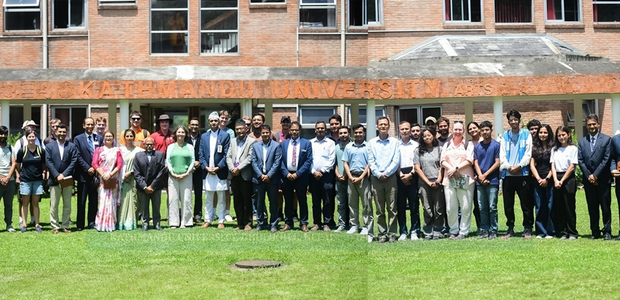

About Kathmandu University Centre for Buddhist Studies
Kathmandu University’s Centre for Buddhist Studies at Rangjung Yeshe Institute (RYI) in Boudhanath, Kathmandu is a premier institution for Buddhist philosophy, Himalayan languages, and Tibetan studies.
Offering BA, MA, PhD, and specialized programs, it combines traditional scholarship with modern academic rigor.
With immersive programs, dedicated faculty, research opportunities, and scholarships, RYI provides a unique academic and spiritual learning environment for students from around the world.
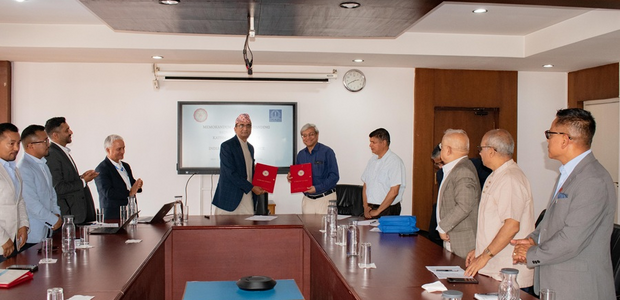
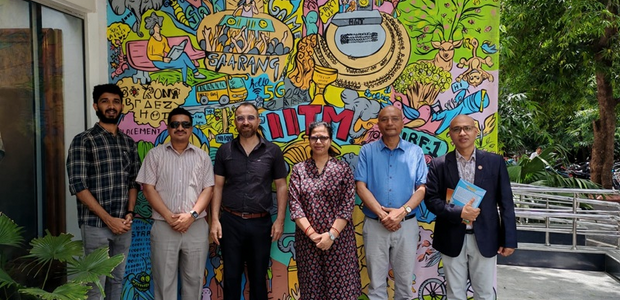
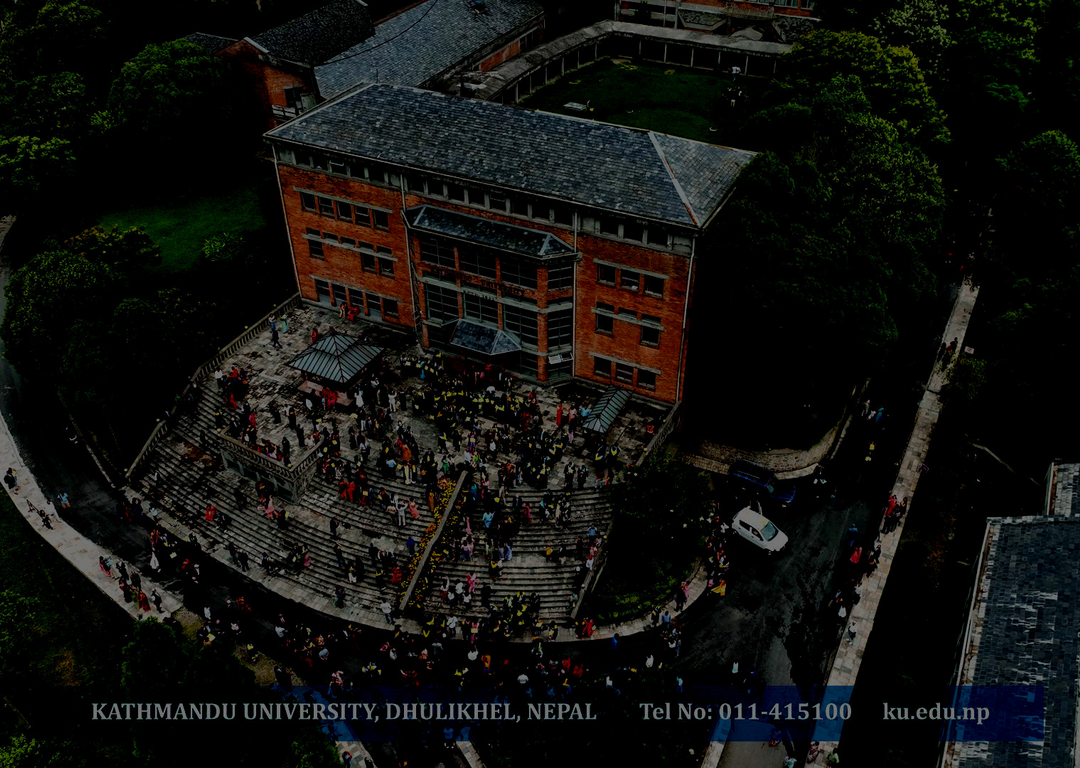
Campus Gallery
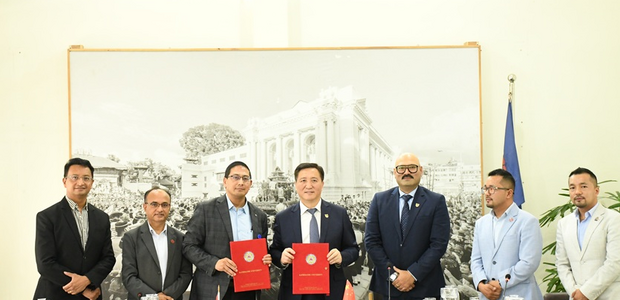
1 / 8
Message from Leadership
Message from the Vice-Chancellor
Dear students and guardians,
Since its inception as a public institution by an Act of Parliament, Kathmandu University has set the standard for quality higher education in Nepal, and its brand value is recognised globally. Having introduced futuristic pedagogies in engineering, medicine, science, management, humanities, education and law, KU is now poised to embrace the state-of-the-art technological, environmental and contemporary humanistic disciplines in its teaching-learning paradigms.
This transformation is now a global imperative, as the era of higher education, hitherto skewed towards loading young brains with information, knowledge and skills through teaching in classrooms, labs, and workshops, is nearing its end. For instance, adopting AI-enabled human-machine interfaces in teaching and learning has propelled a radical reorientation of wisdom over knowledge, future employability over current skills, and an undiminished trust in natural intelligence.
In this context, I call on you to collaborate in our new journey towards a smart, resilient and sustainable university. To this end, KU has started updating its curricula to be in tune with the changing global contexts, digitalising its academic services, and expanding its presence in all provinces of Nepal. Similarly, KU is undergoing a massive transformation in its academic governance and transparency by shortening the processes and reducing the paperwork while consolidating a system of accountability. In addition, through a meticulous reallocation of resources, KU is on its way to becoming a ‘green’ university in every sense of the term.
KU aims to prepare its students to enter the competitive world of skills and jobs and, at the same time, continue to inculcate in them the zeal for social service, national development and respect for humanism. As the fourth Vice-Chancellor of KU, I invite you to join us in this mission of serving the future of humanity. Together, we will realise the dream of making KU a home-grown university with a global outlook and impact in academics, research and entrepreneurship.
Prof. Dr. Achyut Wagle
Vice-Chancellor
Contact Information
Location
Boudhha
Kathmandu, Bagmati Province
Quick Actions
Related Colleges
Browse all colleges


Admission Opportunities
View all admissionsClosedFeatured
Kathmandu University Engineering Entrance 2025
Kathmandu University
Kathmandu University School of Engineering offers world-class engineering education with modern facilities. The KU entrance exam (KUCAT) is the gateway to programs including Computer, Civil, Electrical, Mechanical, and Geomatics Engineering at Dhulikhel campus.
Bachelor
Deadline: Jun 15, 2025
288 seats
engineeringKUKUCAT
Updated: 2026-01-29View Details
Admission Open
KU Medical School Entrance 2025
Kathmandu University
Kathmandu University School of Medical Sciences (KUSMS) offers MBBS program at Dhulikhel Hospital with excellent clinical exposure. Admission is through KUCAT medical entrance.
Bachelor
Deadline: Jun 1, 2025
150 seats
medicalMBBSKU
Updated: 2026-01-29View Details
Admission Open
KU School of Management Admission 2025
Kathmandu University
Kathmandu University School of Management (KUSOM) offers BBA and other management programs with international standards. Admission is through KUCAT entrance examination.
Bachelor
Deadline: Jun 30, 2025
180 seats
managementBBAKU
Updated: 2026-01-29View Details
Available Scholarships
Browse all scholarshipsPartialFeatured
UGC Nepal Higher Education Scholarship
University Grants Commission (UGC) Nepal
University Grants Commission provides scholarships to increase access to higher education for students with disabilities, economically disadvantaged students, Dalit students, children of martyrs and conflict victims, Mukta Kamlari, and Muslim women students.
Bachelor, Master
Deadline: March 26, 2025 (for 2081/082)
Tuition: Partial tuition support
governmentneed-basedinclusive
Updated: 2025-01-15View Details
Fully FundedFeatured
MOEST International Scholarships
Ministry of Education, Science and Technology (MOEST)
Ministry of Education, Science and Technology provides scholarships for Nepali students to study abroad through bilateral agreements with countries like China, India, Bangladesh, Russia, Pakistan, Japan, and others.
Bachelor, Master, Phd
Deadline: Varies by destination country
Tuition: 100%
internationalfully-fundedstudy-abroad
Updated: 2026-01-22View Details
PartialFeatured
Nepal Government Reserve Quota Scholarship
Government of Nepal
Constitutional provision for 45% reserved scholarships across all higher education institutions. Quotas are allocated for women, Janajati, Madhesi, Dalit, disabled, Muslim, and remote area students as per Nepal's inclusive education policy.
Bachelor, Master, Diploma
Deadline: Varies by institution
Tuition: Partial to full (varies by institution)
quotainclusivereserved
Updated: 2026-01-22View Details